

Starter checklist for PAYE
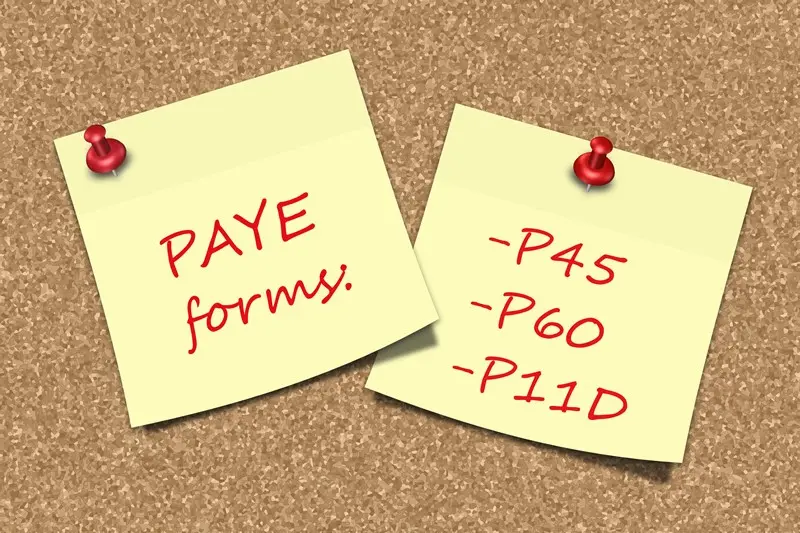
When hiring a new employee, employers must determine the appropriate tax code and starter declaration for their payroll software. Using incorrect tax codes can result in the new employee over or underpaying their taxes. To ensure the correct information is entered, employers need certain details
Employing under 16-year-olds and young workers

When a new employee is added to the payroll it is the employers’ responsibility to ensure they meet the employees’ rights and deduct the correct amount of tax from their salary. This includes any employees who are family members.
It is possible to employ young people if they are 13 or over but
Statutory redundancy pay

If you have been in the same job for two years or more and are made redundant you will usually be entitled to redundancy money. The legal minimum that you are entitled to receive is known as ‘statutory redundancy pay’. There are exceptions where you are not entitled to statutory redundancy pay, for
Employing staff for the first time?

There are a number of rules and regulations that you must be aware of when you employ staff for the first time.
HMRC’s guidance sets out some important issues to be aware of when becoming an employer.
Decide how much to pay someone – you must pay your employee at least the National Minimum
Termination payment clearance process

The tax treatment of termination payments has changed significantly over recent years. The changes have aligned the rules for tax and secondary National Insurance contributions (employer (NICs)) by making an employer liable to pay NICs on termination payments they make to their employees.
HMRC has
More about emergency tax codes

The letters in an employee’s tax code signify their entitlement (or not) to the annual tax free personal allowance. The tax codes are updated annually and help employer’s work out how much tax to deduct from an employee’s pay packet.
The basic personal allowance for the tax year starting 6 April
A reminder that NLW and NMW rates are increasing

A reminder for our readers that the National Living Wage (NLW) and the National Minimum Wage (NMW) rates will increase with effect from 1 April 2024.
The increase will see the NLW rate increased to £11.44 per hour, an increase of over £1 over the current rate of £10.42. This means the annual
Correcting payroll mistakes

Employers generally use payroll software or other payroll services to record employees pay, deductions and National Insurance contributions on or before each payday. They also need to consider other deductions such as pension contributions and student loan payments.
These payments are reported to
Assets made available to an employee

Assets such as computers, televisions and bicycles that are made available to employees can create certain tax, National Insurance and reporting obligations. There is no requirement to report anything to HMRC if the asset is office equipment only used for business use. Assets that are made available
Year end payroll reporting

It is not that long until the current 2023-24 tax year comes to an end and there are a number of year end payroll chores that must be completed. This includes sending a final PAYE submission for the tax year. The last Full Payment Submission (FPS) needs to be submitted no later than the last payday